Ecology
Coppicing Birch for Firewood and Wildlife: A Five-Year Rotation Plan
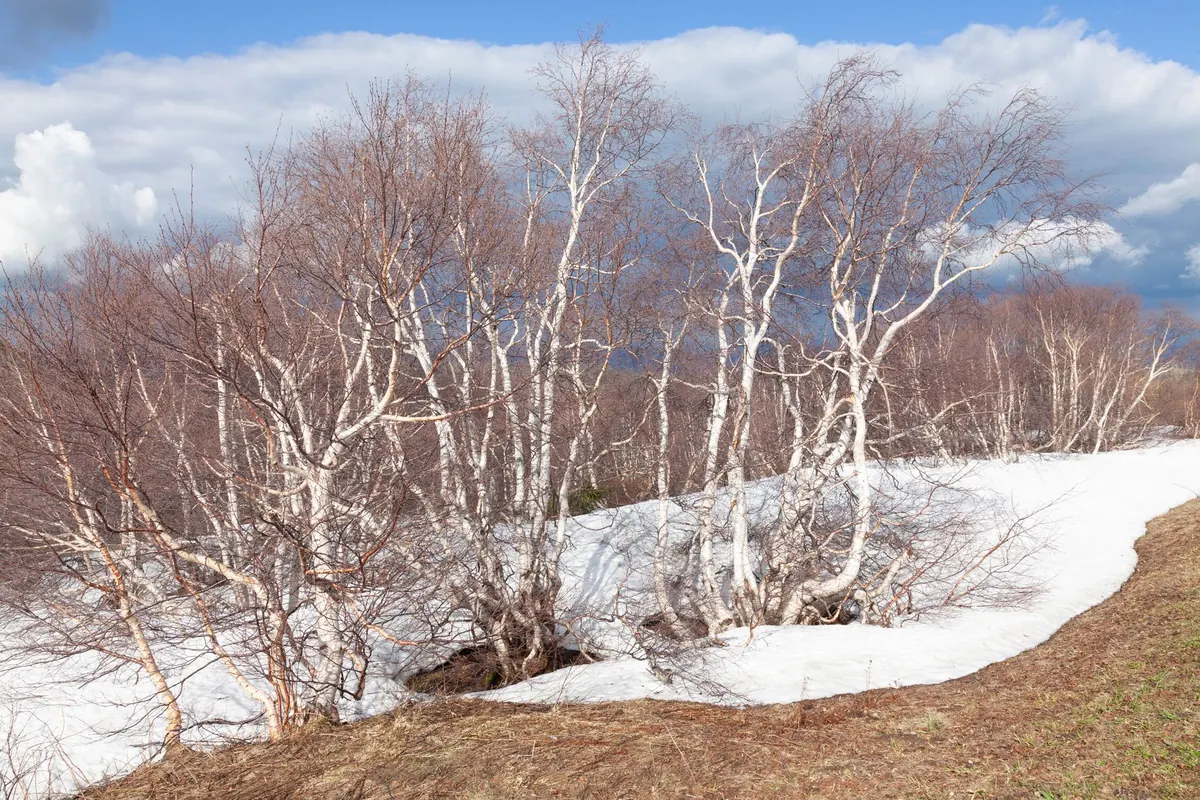
Birch is the tree that turns up first. It seeds into bare ground, outgrows almost everything around it for twenty years, then slows, leans, and starts to die back from the top. Anyone who has watched a stand of birch go over knows the look: pale trunks, thinning crowns, a litter of dead branches underneath.
That short life is exactly what makes it a good coppice tree. Cut a young birch stool down to the ground in midwinter and by May it will push up a clutch of new shoots — straight, vigorous, all competing for the same patch of light. Five years later those shoots are poles. Cut them, and the stool does it again.
A five-coupe rotation, with one block cut each winter, keeps wood coming off the plot every year and holds much of the ground in the dense, tangled regrowth that nesting birds and small mammals need. It is one of the few woodland routines that pays you twice.
Why Birch Coppices Well — and When It Won't
Birch coppices strongly while it is young. Saplings and stools up to roughly 15 cm across usually resprout without help. Old, thick-trunked birch is a different proposition: the bark thickens and heals slowly, water sits in the cut surface, and the stump can rot before new shoots get away. If you inherit a stand of mature trees, cut the smaller, younger stems first and leave the veterans standing as standards.
Timing matters as much as age. Birch runs with sap in late winter and early spring; a stool cut then bleeds heavily and recovers poorly. Cut in the dormant middle of winter instead. Site matters too. Downy birch on damp, deeper soils resprouts more reliably than silver birch clinging to dry sand and gravel. On a thin, exposed site, expect a patchy comeback and plan for replacements.
Laying Out the Five-Coupe Rotation
Divide the patch into five roughly equal blocks and cut one block each winter. Five years is about the time birch shoots need to reach usable pole size, and the staggered cutting keeps a mix of ages across the site.
- Year one: cut coupe one in midwinter, down to low stumps.
- Year two: cut coupe two. Coupe one is now a year old and will be head-high by July.
- Year three: cut coupe three. Coupe one is a thicket; coupe two is waist-high.
- Year four: cut coupe four, leaving coupes one to three to thicken.
- Year five: cut coupe five. Coupe one is ready to cut again, and the cycle restarts.
What you get from a coupe depends on soil, spacing, and how well the regrowth is protected, but the arithmetic is easy to do once you know your stools. Forty stools giving eight usable poles each is a few hundred poles from one winter's cutting — a serious pile of kindling and a decent stack of firewood.
Cutting Height, Tools, and a Clean Finish
Cut from leaf fall until the sap begins to move — in most of northern Europe that means late November to early March, with midwinter the safest window. Work your way through the whole coupe in the same winter so the regrowth comes away evenly; leaving odd stems behind shades the new shoots and weakens them.
Stumps should finish 5–10 cm above the ground, cut cleanly and angled just enough to shed water. A torn, crushed stump holds moisture and invites rot. Loppers and a pruning saw handle the small material; for anything thicker, use a chainsaw — with proper training and protective kit, no exceptions. Keep the chain sharp; a blunt chain tears birch bark. If you want some full-sized trees in the mix, leave one or two standards per coupe to grow on. They will cast light shade, and the catkins and deadwood they produce are worth more than the extra poles.
Turning Poles into Firewood and Useful Timber
Birch wood does not last long in contact with damp, so the golden rule is to split it early. Cut, split, and stack within a few weeks of felling. Stack off the ground on pallets or rails, cover the top but leave the sides open to the wind, and leave it six months to a year. Dry birch burns hot and bright with little ash — excellent stove wood.
Straight poles 5–8 cm across have plenty of uses before they reach the fire:
- Bean poles, pea sticks, and plant stakes for the garden
- Hedge stakes, thatching spars, and rustic hurdle-making
- Handles for small tools and brooms
- Bundled twiggy tops as kindling
- Bark strips peeled for firelighters — they catch from a match even after rain
Bundled brash makes a dead hedge or a habitat pile rather than a bonfire. Nothing needs to leave the site.
The Wildlife Dividend
The thicket stage is the whole point. With five coupes in rotation, most of the plot is always somewhere between one and five years of regrowth — low, dense cover that warblers, buntings, and small mammals use for nesting and shelter. The newly cut coupe matters too: for a season or two, light reaches the woodland floor and the ground flora responds, with foxgloves, willowherb, and grasses appearing where shade had suppressed them.
Birch catkins open early and feed insects when little else is in flower. Rotting stumps and felled logs support fungi including birch polypore, and fly agaric is a familiar associate of birch roots. Leave some deadwood standing and some lying, and let a few standards reach full size for the birds that need taller trees.
Filling Gaps, Protecting Regrowth, and Staying Legal
Walk the coupes in early summer and look at the stumps. A stool carrying only two or three weak, spindly shoots is failing. Mark it, and either plant a replacement whip the following winter or let a self-sown birch nearby grow on instead. Keep a rough record — paint a stripe on the cut stump, sketch the coupes, note the year. Five years is long enough to forget.
Browsing is the most common reason a rotation stalls. Deer, rabbits, and livestock will take the soft new shoots first, so fencing is the reliable answer; individual guards on stools are fiddly and often defeated. Check local felling rules before you start, since felling licences, tree preservation orders, and conservation area designations can apply even to small-scale coppice work. Your national forestry authority or a woodland adviser can tell you what applies on your site.
Start With One Coupe This Winter
Pick a small block, pace out the boundaries, and cut it in January. Stack the poles out of the way, pile the brash, and then leave it alone. What happens the following spring tells you more about your site than any plan on paper: how many stools come back, how fast the shoots run, and how quickly the birds find the thicket. Adjust the coupe sizes, plant replacements where the stumps fail, and cut the second block next winter. Five years later you will have a rotation that mostly runs itself.
Photo: PHILIPPE SERRAND / Pexels