Ecology
Deadwood Ecology: Why Leaving a Fallen Log in Your Yard Helps Wildlife
A tree comes down in a storm, or you finally take out the leaning maple by the driveway. The usual next move is a chainsaw, a wheelbarrow, and a trip to the yard waste site. The lawn gets its light back, and that's the end of it.
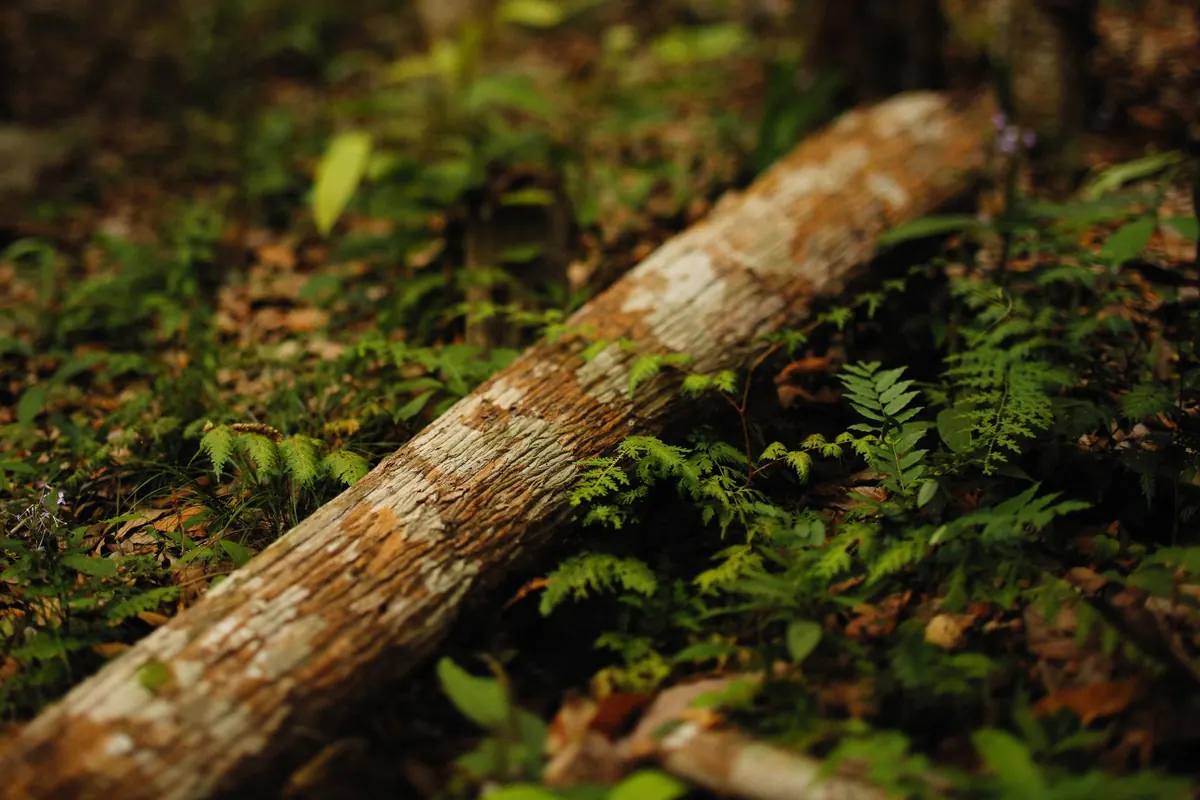
But a log on the ground isn't the end of a tree. It's the beginning of a small, crowded, slow-moving neighborhood: beetles working under the bark, fungi threading through the grain, wrens poking at the soft spots, salamanders in the damp hollow underneath. Leaving one in the corner of a yard costs almost nothing and gives back a surprising amount.
Why a Fallen Log Matters
In a living tree, carbon and nutrients are locked inside cellulose and lignin — tough compounds that few organisms can digest. Once the tree is down and wet, fungi and bacteria start breaking those compounds apart. Over years, a solid cylinder becomes a spongy, moisture-holding block that slowly releases minerals into the ground around it. A compost pile works fast and hot; a log works slow and cold, and that pace is exactly what a lot of wildlife is built for.
Decay also happens in stages, and each stage suits different tenants. A fresh log with tight bark is a different habitat from one that has been softening under a shrub for five years. The hollow center of an old log is different again.
A log that takes ten years to rot is not neglect. It's a schedule.
Insects: The First Guests
Beetles usually arrive first. Many species lay eggs under the bark, and the larvae chew outward, carving galleries that print themselves across the wood. Those tunnels remain long after the larvae leave, and other insects move in — solitary bees and wasps that nest in narrow holes, small beetles, spiders hunting in the dark.
Rotting wood is also a nursery for native bees, most of which nest in the ground or in old timber rather than in hives. Some fireflies spend their larval stage in damp soil and crumbling logs, which is one reason a raked, tidied yard tends to have fewer of them.
A caution here: this is also why placement matters. Carpenter ants and termites forage in dead wood, and a log resting against your foundation or a deck post sends an invitation you don't want to send. More on that below.
Fungi Do the Heavy Lifting
Fungi are the actual decomposers. A mushroom is just the fruiting body; the real organism is a network of threads spreading through the wood, digesting as it travels.
White rot fungi break down lignin and leave wood pale and stringy. Brown rot fungi take the cellulose and leave the brown, crumbly, cubical chunks you sometimes find inside old stumps. Both soften the log, hold water, and open it up for everything that follows. Some of these fungi also form partnerships with the roots of nearby plants, trading minerals for sugars, so a log's influence reaches well past its own footprint.
Lichens and moss arrive later, once the surface is stable and stays damp. By that point the log has become a small landscape with its own weather.
Birds, Amphibians, and Small Mammals
Woodpeckers work dead wood for larvae — the drumming you hear in spring is often a bird excavating a meal or a nest cavity. Downy and hairy woodpeckers, nuthatches, and chickadees are the usual yard visitors, and if the wood is left standing or partially hollowed, they'll raise young in it.
Amphibians need moisture, and a log holds it. Salamanders, toads, and frogs shelter under and inside rotting wood through dry spells. Garter snakes and other small snakes use the same cover. Chipmunks and shrews den in hollow ends and under loose bark.
In a suburban yard, a single log can be the only genuinely damp refuge on the property. That is not a small thing.
The Soil Payoff
As the wood breaks down, it returns carbon and minerals to the top layer of soil, and it behaves like a sponge. A rotting log soaks up rain and releases it slowly, keeping the ground around it cooler and damper through a dry August.
Gardeners call the old ones nurse logs. Seedlings that establish on top of a decaying log sit above the competition, in moisture-rich, slowly fertilizing wood. You can use this on purpose: ferns, wild ginger, foamflower, moss, and many woodland perennials will settle onto a rotting log if you tuck small plants or divisions into its soft surface.
Placing a Log Safely in Your Yard
Where you put it matters more than whether you put it.
- Keep it away from structures. Ten to fifteen feet from the house, garage, shed, and any wooden outbuilding is a reasonable buffer. A log touching a foundation or a deck post is a bridge you'd rather not build.
- Choose shade or dappled light. Logs in full sun dry out and support far less life.
- Get soil contact. Roll the log so a third to a half of the underside rests on bare ground, or nestle it into a shallow scrape. Soil contact is what starts the fungal work.
- Separate it from your firewood. Keep the wildlife log out of the stacked pile so you always know which wood is which.
- Leave the bark on and the leaves around it. Leaf litter is part of the habitat, not clutter.
- Don't move wood long distances. Pests and diseases travel in it, and many regions have rules about moving firewood. If you're unsure, ask your local extension office or parks department.
- Check local rules first. Some HOAs, cities, and towns regulate yard debris. If a log won't fly, a brush pile in a back corner, a stump, or even a short section of trunk does most of the same work.
What Not to Put Out
Skip pressure-treated lumber, railroad ties, painted or stained wood, and anything that has been in contact with wood preservatives or creosote. Those leach chemicals you don't want in your soil or your vegetable beds. Plain, untreated wood is what you want — from a tree that came down in a storm, died of old age, or was removed for a manageable reason. If a tree died from something serious and you have close relatives of that species growing nearby, ask a local arborist or extension service before leaving the wood in place.
Let It Rot
You don't have to do anything else. A log is not a project with steps and deadlines. It will sink into the soil, hollow out, grow moss, and vanish over several years to a decade or more, and the wildlife that used it will move on to whatever comes next.
Take a photo once a year if you want a record of the change. Add a few woodland plants if you like. Keep it out of the fire pit and away from the house, and let the fungi have it. One piece of wood in a quiet corner will do more for the insects, birds, and soil around you than a mown edge ever will.
Photo: Alexey Demidov / Pexels